


Travel the world in one day — right at Lanzhou University! The 2025 International Cultural Festival lit up the Yuzhong Campus on Oct 18 with flavors, music, and dances from over 40 countries.
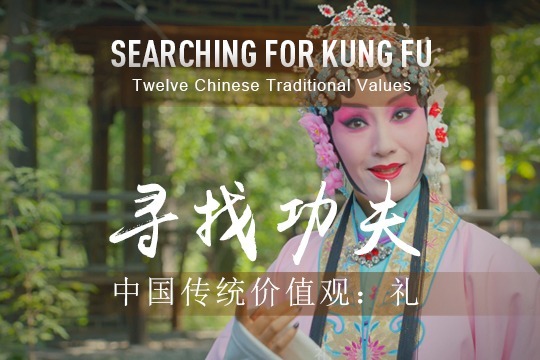
Li, or propriety, means the customary code of correct or polite behavior in society or among members of a particular group.
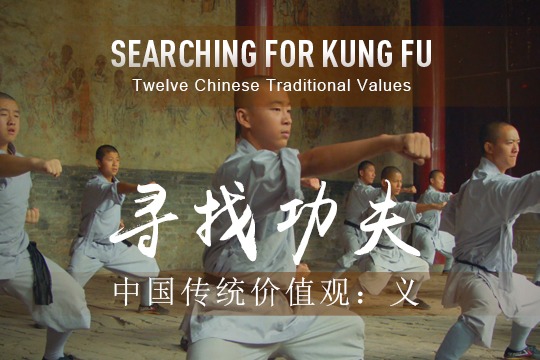
Yi, or obligation, means something which you must do because it is your duty, or because you have promised. Watch this episode of 12 Traditional Chinese Values to find out more.
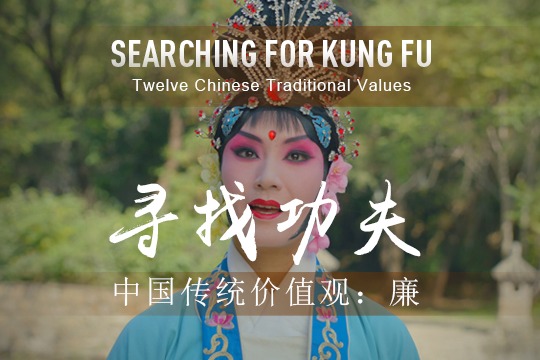
Lian, or integrity, indicates morally upright behavior, the quality of being honest and having strong moral principles.
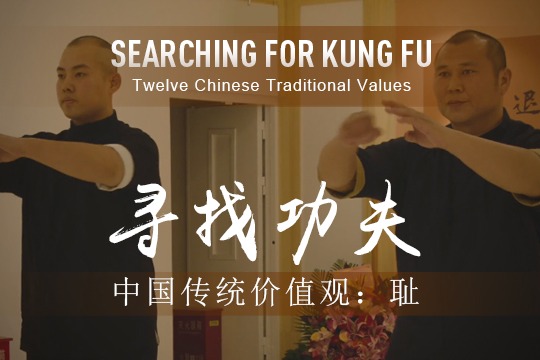
Chi, or humility, means the quality of being humble, the quality of not thinking that you are better than other people
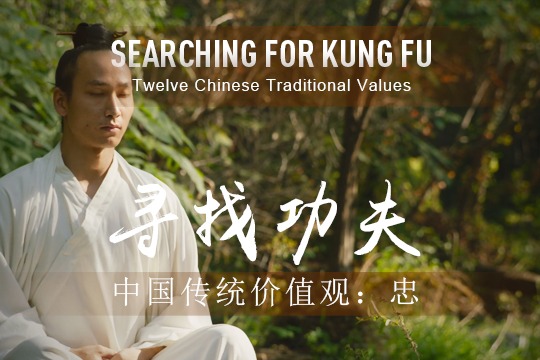
Zhong, or loyalty, means the quality of staying firm in your friendship or support for someone or something. Watch this episode of 12 Traditional Chinese Values to find out more.
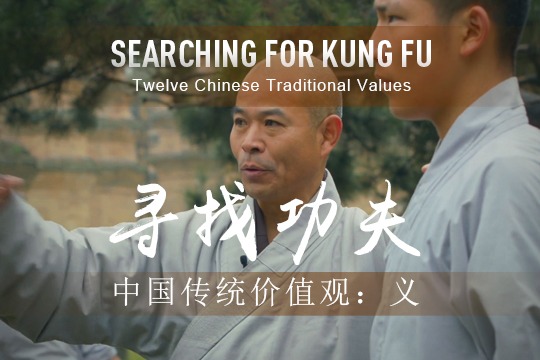
Yi, or righteousness, means someone who behaves or lives in a way that is morally good. Watch this episode of 12 Traditional Chinese Values to find out more.
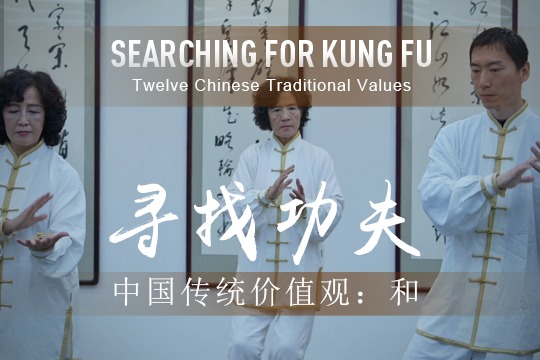
He, or harmony, means a state of peaceful existence and agreement. If people are living in harmony with each other, they are living together peacefully.
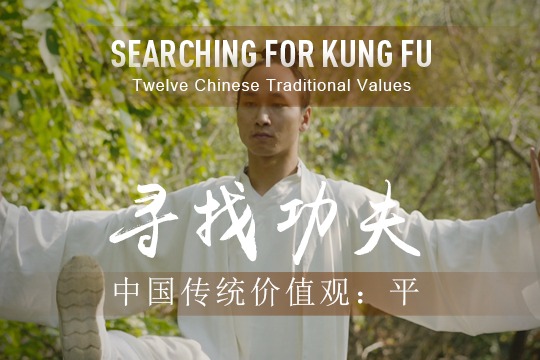
Ping, or balance, is a situation in which different things exist in equal, correct or good amounts. Watch this episode of 12 Traditional Chinese Values to find out more.
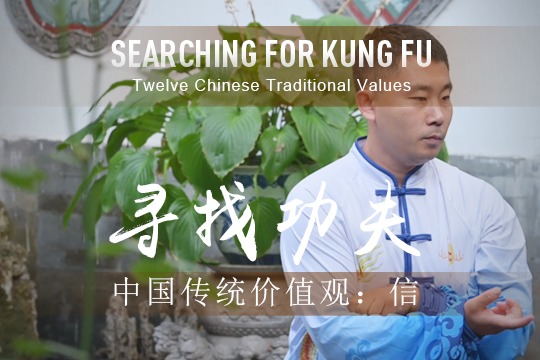
Xin, or trustworthiness, describes the quality of being reliable, responsible, and someone who can be trusted completely. Watch this episode of 12 Traditional Chinese Values to find out more.
 Follow us